
| Home | Harford | Bird & Bat | Rat & Mouse | Trapping | Exterminator | Contact Us |
Baltimore Wild Animal Removal
Welcome to our wildlife business website! If you have a dog or cat problem, click on Harford County Animal Services for the free county service or call
the city at (410) 396-4694 for free. |
| Baltimore Wild Animal Removal is a professionally operated nuisance wildlife control company servicing the greater Baltimore Maryland area. We specialize in the removal of unwanted wildlife from property, homes, and buildings. We remove any kind of problem animal - from a snake in the yard, to a colony of bats in a building, to squirrels in the attic, we are the experts at humane wild critter and rodent control in Baltimore MD. We are fully licensed and insured, and we operate twenty four hours a day, seven days a week. Give us a call any time, and we will discuss your wildlife problem, and come out immediately to solve it. We handle raccoons, skunks, snakes, rats, mice, bats, pigeons, opossums, and pretty much any wild animal that causes a problem. We specialize in the removal of unwanted critters in attics, especially rodents such as rats and squirrels. Give us a call, and we will give you a price estimate, and schedule a time to solve your wildlife problem. |  |
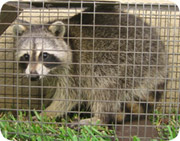 |
Wildlife Trapping: We are expert critter trappers, and we are very humane to wild animals that live in Baltimore. We trap them in live cages and relocate them. We make sure that we arrive at your house immediately to remove the trapped critters, so that they don't suffer. Successful trapping relies upon many subtle factors, from the right trap, the right bait, location, and a host of other very important factors. Most of the time, we are bolting traps to the roof or to entry holes to ensure 100% success in trapping the target animals only. This is the best method of squirrel control, raccoon removal, snake removal, and possum removal. |
 |
Exclusion Repairs: This is perhaps the single most important factor in ensuring a successful wildlife control job. If you have animals in your attic, walls, or any part of your home, then they got in somehow, either through existing holes (vents, architectural gaps, etc) or holes that they clawed or chewed open themselves. Many homes and buildings in northern Maryland have vulnerable spots. We find all of these vulnerable open entry areas and seal them shut, permanently, with bolts and steel, and make sure that animals can't get back in again, with guarantee. We also clean attics. |
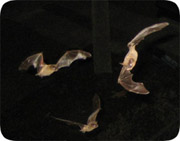 |
Baltimore Bird & Bat Control: Bird and bat control are specialty projects. While we do certainly perform these services on residential homes, some of these projects are very large and complex commercial projects. We can safely remove a huge colony of bats from a building, without harming any, and completely bat-proof the building 100%. As for pesky birds, such as pigeons, we install bird exclusion devices that will keep your structure bird-free for good. Pigeons roost on many Baltimore buildings, and they create a lot of waste droppings that litter our city. |
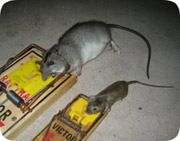 |
Rat & Mouse Control: We are experts at Maryland rodent control. The Chesapeake Bay area is full of Roof Rats. We do it the correct way - we don't just throw some poison in your attic on a monthly basis. This will not solve the problem! We solve it permanently, usually in little more than a week, and you'll have no more rats or mice, guaranteed. We solve the root of the problem by sealing shut any and all areas that rodents can use to enter your house. We trap and remove them all, and you are spared the never ending cycle and dead rat stink that comes with poison. |
| We provide professional pest animal control for all of greater Baltimore, MD including Harford County, Carroll County, Howard County, and Anne Arundel County. We service several towns, including animal control in Columbia MD, Reisterstown, Timonium, Lutherville, Perry Hall, Towson, Parkville, Pikesville, Middle River, Essex MD, Dundalk, and wildlife trapping in Glen Burnie, Riviera Beach, Severn, Elkridge, Ellicot City, Columbia MD, Catonsville, Randallstown, and more. . |
We especially specialize in Baltimore Pigeon Control and bat removal services. We have successfully prevented pigeon problems at many large Baltimore area businesses, and are experts in the field of bird abatement and roosting prevention. We stop pigeons problems permanently by installing deterrents in roosting areas. As for bat colony removal, we extract 100% of the bats from the building without harm and completely bat-proof the structure so that they can never come back. For both pigeon and bat issues, we perform full cleanup of the droppings and waste that they leave behind, alleviating the odor and health risks.

Baltimore Critter Removal Tip: What if the squirrel gets inside the house, bedroom or kitchen?
Squirrels are very pesky animals that they are stubborn and this can make it very difficult to capture them especially when they enter the house. They can hide in the most unexpected areas it almost impossible to get hold of them. You do not have to despair because in spite of their intelligence there are ways that you can use in order to get rid of them if by chance they enter inside your house. Your main goal should be to get rid of the squirrel as quickly as possible so you do not have to be scared or panic; squirrels are just small pests and they will not harm you in any way.
Step 1:
The first step is to determine the room that the squirrel is within the house. When you are positive, you have to secure all your pets by getting them away from the squirrel because the squirrels may attempt to attack them by either biting or scratching them.
Step 2:
You close the doors of that room to ensure that the squirrel is trapped in that room, when you are positive that there is no other opening that will lead the squirrel in other parts of the house, you can open a window wide in that room that will allow the squirrel to leave the house. The most preferable window is that which will lead the squirrel out of the house. You have to be extra careful not to scare the squirrel because this will make the squirrel take a lot of time before leaving the house.
Step 3:
You have to leave the room and give the squirrel sometime to freely leave the room; you have to ensure that the rest of the doors and windows are well sealed to prevent any attempt of getting into another part of the room. You will be giving the squirrel one choice of escaping that is why you have to give him a couple of hours. If the procedure does not work, you will have to come up with more effective techniques that will help get rid of the squirrel.
Traps
There are a lot of traps that you can get from the market and they will yield positive results provided that they are well baited. Make sure that you use the best bait that will lure the squirrel in the trap and once it is trapped, you can re-open the room and release the squirrel away from the house. You have to ensure that you seal all the possible entrances that the squirrel used to get into your home and inside the house. To prevent the squirrel from taking a couple of hours in the room, you have to ensure that you get rid of any food sources that will encourage them to take longer than expected.

Read more about our dead animal removal services in Baltimore: dead animal removal.
For bird control read about: Do owls keep birds away?
Our rodent control methods prevent problems like Do rodents chew on wires?
Other wildlife tips:
Maryland Groundhog Extermination News
What Diseases do Coyotes Carry and What are the Symptoms of a Sick Coyote?
About Maryland Foxes
Beaver Repellents
Baltimore Wildlife Tip of the Month: Baltimore coyotes are animals that are known to travel in groups in search for food and strangely, they are found both in the wild and also in the urban areas. So this means that whenever they decide to attack or invade a certain area, the effects can be very fatal. They come together to form some groups whenever food is abundant in a certain area.
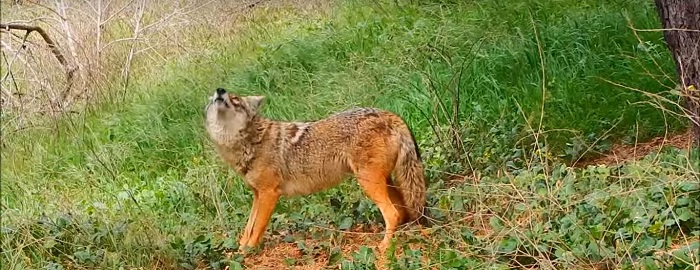
Description of the coyote
Identifying a Maryland coyote might be difficult in case you are the person who finds it hard to differentiate between a wolf, a fox and a coyote. They seem alike but their physical posture is really the distinction between them. They are gray animals which happen to have a rusty appearance on the neck and to add to the list, they do have some black patches on the basal part of the tail. More to that, the Baltimore coyotes are known to run as fast as 40 miles per hour and they are very curious to know and that forms the basis of their conflicts with the human counterpart.
Prevention basis of the coyotes
Coyotes are very curious animals and like to very much explore the surrounding where they live and as they do that, you will find that they will be in constant troubles with the humans and thus calling for the prevention measures. They are clever, adaptable and more to that, they easily take advantage of the new areas of exploration and thus you will have to be very apt at preventing them. The following are the reasons why you will need to prevent them:
- They will eat the pet food.
- They will constantly disturb the garbage and destroy them.
- They will cause dirt in the surrounding where they are.
- They might spread disease to the animals and also the human beings.
All these are the reasons why you will need to keep of the Baltimore coyotes form your compound as far as possible.
Diseases that the coyotes carry
There are various diseases that the Maryland coyotes are associated with and some are very dangerous as far as your health and that of your animals is concerned. Here are some of the diseases. Rabies. This is the most common and the most visible of the diseases that the coyotes carry. The rabies virus, symptoms include:
- Foaming in the mouth.
- Lethargic behaviors.
- Aggressiveness.
- Fearlessness.
Therefore, if you notice such signs, then know that the coyote is sick with rabies virus.